False Ceiling for Living Room 27 Designs That Look Elegant, Last 15+ Years & Stay Maintenance-Friendly
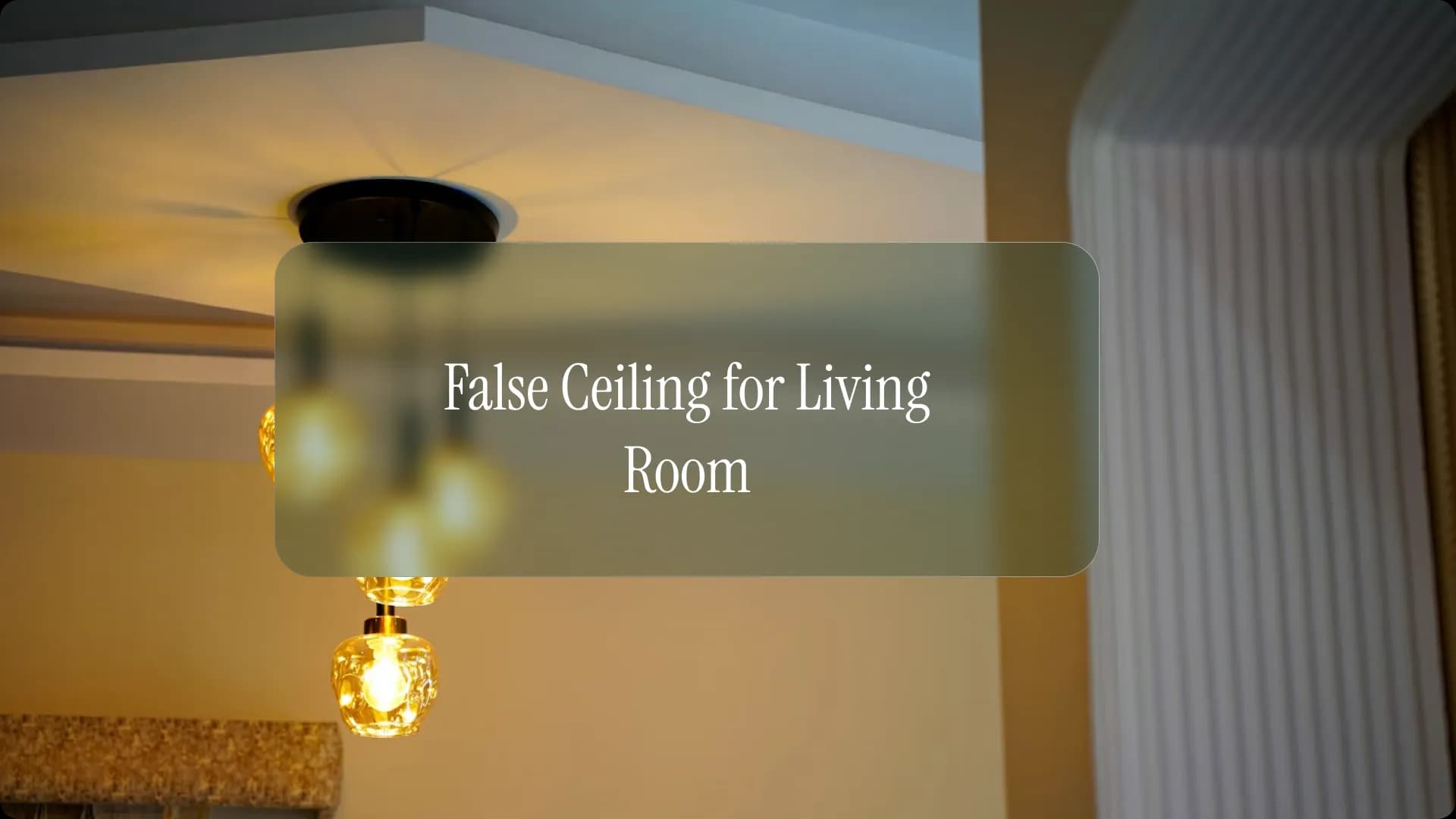
False Ceiling for Living Room: 27 Designs That Look Elegant, Last 15+ Years & Stay Maintenance-Friendly
Planning a house in Pokhara while you’re abroad?
Your living room ceiling is not just decoration. It affects lighting, wiring safety, long-term maintenance, and how “proper” your home feels to guests and family.
If you’re searching for the best false ceiling for living room, this guide will help you choose wisely — not trendily.
Because this is not a design experiment.
This is your legacy home.
What Is a False Ceiling? (Quick Answer for Featured Snippet)
A false ceiling is a secondary ceiling installed below the main slab to improve lighting, hide wiring and ducts, enhance acoustics, and elevate the room’s appearance. Common materials include gypsum board, POP, PVC, wood, and metal frameworks.
Why Install a False Ceiling in Your Living Room?
Here’s why most homeowners choose it:
- ✔ Conceals electrical wiring & AC ducts
- ✔ Improves lighting design
- ✔ Reduces heat & echo
- ✔ Adds structure and depth
- ✔ Makes the space look complete
But the real question is:
Will it last 10–15 years without cracking, sagging, or looking outdated?
That’s where proper planning matters.
How to Choose the Right False Ceiling (Before Design)
Before jumping into designs, consider:
1 Ceiling Height
If your slab height is below 9 feet, heavy layered designs will make the room feel compressed.
2 Lighting Plan
Ceiling design should follow lighting logic — not the other way around.
3 Maintenance Access
Future repairs should not require breaking the whole ceiling.
4 Climate Suitability (Pokhara Factor)
Humidity matters. Wrong board quality = swelling and cracks.
5 Family Usage
Parents living in the house? Keep it dust-friendly and easy to clean.
27 Best False Ceiling Designs for Living Room (With Practical Use Guide)
1. Simple Gypsum Border Ceiling (Safest Choice)
Minimal dropped border with center slab exposed.
Best For: 9–10 ft height homes
Why it works long-term: Low cracking risk, easy repaint
Maintenance Level: Very low

2. Single Tray Ceiling with Cove Lighting
Raised center panel with hidden LED strip.
Why homeowners prefer it: Looks premium without being flashy
Longevity: High if joint finishing is proper

3. Double Layer Ceiling (Controlled Drama)
Two-step layering for added depth.
Use only if: Ceiling height allows
Avoid if: Room is small

4. Linear LED Groove Ceiling
Straight recessed LED strips creating modern lines.
Best For: Contemporary homes
Why safe: Clean geometry doesn’t go out of style

5. Wooden Accent Strip Ceiling
Gypsum base with wooden laminate inserts.
Tip: Use laminate, not real wood (less warping risk)
Feels: Warm and respectable

6. Coffered Ceiling (For High Ceilings)
Grid-style recessed panels.
Ideal Height: 10+ ft
Why choose it: Classic, dignified look

7. Floating Panel Ceiling
Center panel appears suspended with lighting gap.
Looks modern but controlled.

Avoid overcomplicating the shape.
8. Minimal POP Cornice Design
Subtle edge detailing around perimeter.
Perfect for: Traditional-modern blend homes

9. Integrated AC Duct Ceiling
HVAC hidden within structured false ceiling.
Smart choice if: Installing central AC
Prevents messy exposed ducts later.
10. Geometric Frame Ceiling
Simple rectangle frames, not chaotic patterns.
Advice: Avoid overly trendy shapes.

11. Circular Central Feature (Balanced Version)
Single circular feature above seating.
Don’t: Fill entire ceiling with curves
Do: Keep it centered and subtle
12. LED Backlit Perimeter Ceiling
Hidden light creates floating effect.
Energy Efficient Option: Use warm 3000K LEDs

13. Partial False Ceiling (Budget-Controlled)
Only key areas covered.
Best For: Cost-conscious builds
Reduces material and labor risk.

14. Vault-Inspired False Ceiling
Adds subtle upward depth effect.
Works well in larger living areas.

15. Wooden Beam False Ceiling (Light Version)
Decorative beams, not structural.
Use treated materials for humidity control.

16. Matte Finish Gypsum Ceiling
Painted in subtle off-white or warm beige.
Timeless. Maintenance-friendly.

17. Indirect Lighting Ceiling
Lighting hidden entirely from direct view.
Creates calm ambience.
18. Minimal Recessed Spot Layout
No heavy drop, just strategic spot lights.
Clean. Future-proof.

19. Layered Frame with Central Fan Integration
Fan placement planned before ceiling design.
Prevents ugly extensions later.

20. Stone-Finish Panel Accent
Use only small insert areas.
Avoid full coverage (weight & maintenance).

21. Texture Paint Ceiling Feature
Subtle texture, not heavy patterns.
Easy repaint option after 8–10 years.

22. Metallic Strip Highlight
Thin brass or metal strip insert.
Gives subtle premium touch.

23. Skylight-Compatible Ceiling
Planning natural light? Ceiling should integrate structure.

24. Hidden Curtain Pocket Ceiling
Curtain tracks concealed inside ceiling.
Clean, hotel-like finish.

25. Warm Neutral Painted Ceiling
Don’t always keep ceiling pure white.
Soft warm tone enhances dignity.

26. Acoustic-Friendly Ceiling Panels
Useful for large echo-prone rooms.
Good for families who host gatherings.

27. Classic Symmetrical Frame Design
Balanced layout centered with furniture plan.
Never goes out of style.

What False Ceiling Problems Happen in 2–3 Years? (And How to Avoid Them)
Many homeowners regret because:
- Cheap gypsum boards used
- Improper joint treatment
- No humidity consideration
- Lighting heat not managed
- No access panel planning
Prevention Checklist
✔ Moisture-resistant gypsum board
✔ Proper metal framework thickness
✔ Branded joint compound
✔ Expansion gaps
✔ Accessible service panels
If your contractor cannot explain these clearly — pause.
False Ceiling Cost in Pokhara (2026 Estimate)
Type | Approx Cost (NPR per sq.ft) |
Basic Gypsum | 120–160 |
Tray Ceiling | 160–220 |
Layered Ceiling | 220–300 |
Wooden Insert Design | 250–350 |
Final cost depends on design complexity and lighting integration.
Most Asked Questions
Is false ceiling good for living room?
Yes. It improves lighting control, hides wiring, and enhances appearance when properly designed.
Which false ceiling is best for longevity?
Simple gypsum tray or border ceiling with moisture-resistant board.
How many inches does false ceiling reduce height?
Typically 4–8 inches depending on lighting and duct planning.
Does false ceiling crack?
It can if poor materials or joint finishing are used.
The Real Question: Who Is Making These Decisions?
If you’re abroad and building in Pokhara:
- Who verifies material quality?
- Who ensures correct framework thickness?
- Who checks alignment before payment?
- Who protects your budget from variation chaos?
Good design is not drawings.
It is controlled execution.
Our Approach (Why Before What)
Before selecting a false ceiling design, we:
- Study slab height
- Plan lighting logic
- Define maintenance access
- Select humidity-suitable material
- Create written execution drawings
Because once installed, correcting a ceiling is expensive and messy.
And your parents should not deal with repairs after 3 years.
Final Thought
A false ceiling is not about trends.
It is about:
- Long-term dignity
- Maintenance clarity
- Structured lighting
- Family comfort
- Peace of mind while you’re abroad
If you want a living room ceiling that lasts 15+ years without regret, start with logic not Pinterest.
Need Clarity Before You Decide?
We help overseas homeowners build in Pokhara with:
✔ Remote execution transparency
✔ Material justification
✔ Long-term design thinking
✔ Clear budget mapping
Book a consultation and get a structured ceiling strategy — before construction starts.
You may also like:
For consultation:
- 9700024888