Interior Design Trends 2026 That Actually Last 10–15 Years (For Homeowners Building From Abroad)
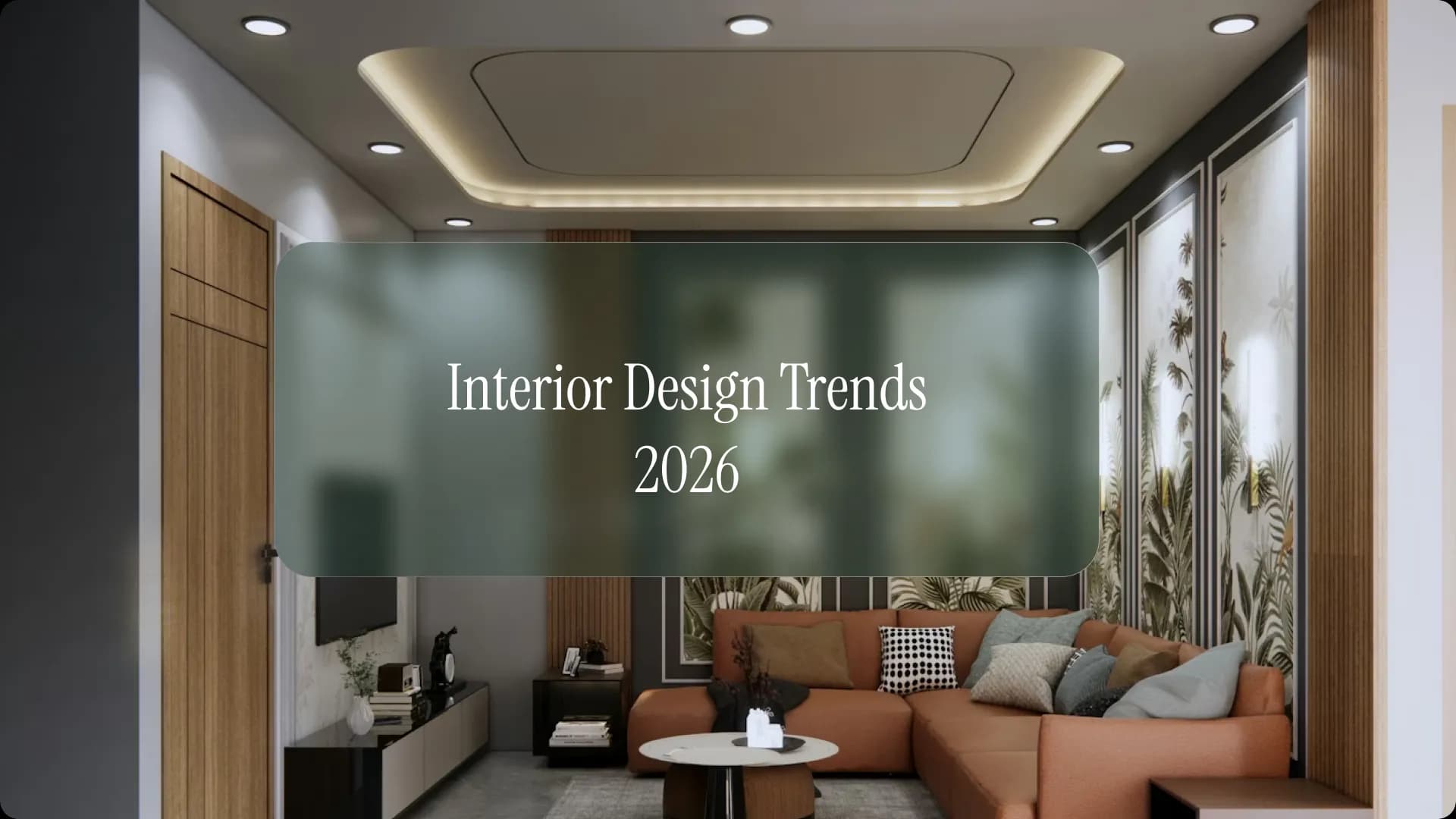
Interior Design Trends 2026
What Truly Works for Homes Built Once in a Lifetime
If you’re building a home in Pokhara while living abroad, let’s be very clear about one thing:
You are not building a “trendy house.”
You are building peace of mind.
Most articles on interior design trends 2026 talk about aesthetics—colors, furniture, looks.
But you’re asking different questions:
- Will this still look respectable in 10–15 years?
- Will my parents find it easy to maintain?
- Will relatives question my decisions?
- Will I regret this when repairs start?
This guide answers those questions first—before trends.
What are the best interior design trends for 2026?
The most important interior design trends for 2026 focus on longevity, emotional comfort, and low-maintenance living. The strongest trends include hotel-style bedroom lounges, comfort-forward furniture, architectural paint detailing, soft spatial zoning with drapes, and calm, atmospheric color palettes. These trends prioritize durability, dignity, and long-term usability over short-term visual impact.
1. Bedroom Suites, Not Just Bedrooms
(Hotel Comfort, Home Logic)
What it is
Primary bedrooms are being designed as private suites—with seating zones for reading, resting, or quiet mornings.
Why this trend matters long-term
This is not luxury for show.
This is functional aging design.
- Parents don’t have to move downstairs repeatedly
- Less dependence on living rooms for daily comfort
- More privacy for family staying long-term
Why it lasts
This layout has existed in good hotels for decades.
If it works in hotels, it works in homes.

2. Comfort-First Furniture (Not Instagram Furniture)
What it is
Furniture designed to hold you—deeper seating, softer edges, supportive proportions.
Why homeowners abroad choose this
You’re not there to keep replacing furniture.
- Parents sit longer, more comfortably
- Guests feel the house is “proper,” not stiff
- Wear and tear becomes less visible over time
Design logic
Sharp, minimal furniture dates fast.
Comfortable forms age quietly.

3. Atmospheric Color (Calm > Contrast)
What it is
Instead of one bold wall, designers use related color families across walls, fabrics, and finishes.
Why this reduces regret
- No sudden “too dark” or “too loud” moments
- Easy to repaint without redesigning everything
- Looks intentional even after years
Best colors for long-term homes (2026)
- Warm taupes
- Muted greens
- Soft stone greys
- Grounded mauves (used subtly)

4. Pattern Mixing—But With Discipline
What it is
Multiple patterns used carefully—not copied everywhere.
Why this works for family homes
- Feels collected, not decorated
- Hides wear better than plain surfaces
- Doesn’t scream “trend year”
Rule that prevents mistakes
One hero pattern.
Others support quietly.

5. Curtains as Architecture (Soft but Smart)
What it is
Fabric used instead of fixed walls or doors to create zones.
Why this matters when you’re abroad
- Flexible layouts without reconstruction
- Easy changes if family needs shift
- Less contractor dependency later
Example uses
- Separating puja space
- Soft privacy near study areas
- Light filtering for parent bedrooms

6. Paint That Defines Space (Not Just Colors)
What it is
Paint used to highlight ceilings, niches, and transitions.
Why it’s safer than carpentry
- Less cost escalation
- Easier corrections
- No long-term maintenance issues
Paint is reversible.
Woodwork mistakes are not.

7. Indoor Spaces Inspired by Nature (Without Maintenance Headaches)
What it is
Natural textures—stone, wood tones, woven materials—used inside.
Why it fits Pokhara homes perfectly
- Matches climate and light
- Ages gracefully
- Easy to explain and justify to family
This is not “outdoor living.”
This is indoor breathing space.

8. Recovery & Quiet Rooms (Optional, But Powerful)
What it is
Simple wellness-focused rooms—light, ventilation, calm materials.
Why this trend is growing
Health is becoming non-negotiable, especially for aging parents.
Keep it simple
No gadgets.
Just space, light, and calm.

Trends We Recommend You Avoid (If You Want Peace)
Ultra-bold colors everywhere
Highly customized carpentry without logic
Trend-specific furniture shapes
Experimental layouts with no resale logic
Regret comes from over-expression, not under-design.
Why This Matters More for You Than Anyone Else
You are building:
- From another country
- With emotional money
- Under family scrutiny
- With limited second chances
So trends should reduce risk, not increase it.
How 88s Studios Helps You Build Without Anxiety
We don’t sell trends.
We engineer decisions.
- Every material justified
- Every layout explained
- Every risk reduced
- Every choice documented
So when someone asks,
“Yo kina choose garnu bhayo?”
—you have an answer.
Thinking of Building in Pokhara From Abroad?
Before you pick colors or Pinterest boards, ask this:
“Will this still feel right after 10 years?”
If you want a calm, logical, family-proof interior plan—
we’re ready when you are.
You may also like:
For consultation:
- 9700024888