What Is the 3-5-7 Rule in Interior Design? A Complete Visual Styling Guide (2026)
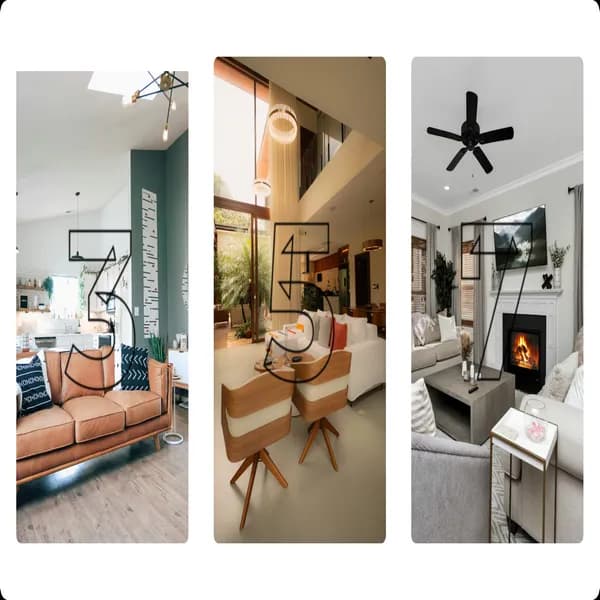
What Is the 3-5-7 Rule in Interior Design?
The 3-5-7 rule in interior design states that arranging decor in odd-numbered groups—usually three, five, or seven—creates more visual interest, balance, and natural flow than even-numbered arrangements.
Introduction
Ever noticed why some shelves, coffee tables, or mantels instantly look “right”?
That effortless balance is often achieved using the 3-5-7 rule, one of the most reliable visual styling principles in interior design.
Used by professional designers worldwide, this rule is rooted in how the human brain processes balance, movement, and asymmetry. In this guide, we’ll go deeper than surface-level explanations—covering psychology, practical applications, real examples, mistakes, and when not to use the rule.
What Exactly Is the 3-5-7 Rule?
The 3-5-7 rule suggests that odd-number groupings feel more engaging than even ones because they:
- Avoid rigid symmetry
- Create natural focal points
- Encourage eye movement
Why specifically 3, 5, or 7?
- 3 → Clean, simple, ideal for minimal styling
- 5 → Balanced yet layered
- 7 → Rich, collected, editorial-style displays
Designers rarely exceed seven because larger groupings can feel cluttered.
The Psychology Behind Odd Numbers
Human vision instinctively seeks balance without perfect symmetry.
Even-numbered layouts split attention evenly, causing visual stagnation. Odd numbers, however:
- Create hierarchy
- Establish a clear focal object
- Add subtle tension that feels intentional
This is why odd-number groupings are widely used in:
- Art composition
- Photography
- Architecture
- Interior styling
Where the 3-5-7 Rule Works Best (With Examples)
1. Coffee Tables
- 3 items: book, sculptural object, plant
- Anchor piece + secondary + accent
2. Bookshelves
- Groups of 3 or 5 per shelf
- Mix vertical and horizontal orientations
3. Mantels
- 5 items: tall vase, art frame, medium sculpture, candle, accent object
4. Console Tables
- Ideal for 3-piece styling with varied heights
5. Beds & Sofas
- 3 or 5 throw pillows look more relaxed than pairs
How to Style the 3-5-7 Rule Correctly
To avoid random-looking decor, apply these principles:
1. Vary Height
Always include:
- One tall item
- One medium item
- One low item
2. Control Color
Use:
- A shared color palette
- Similar finishes (wood, ceramic, metal)
3. Mix Textures
Combine:
- Smooth + rough
- Matte + glossy
- Soft + structured
4. Leave Negative Space
Breathing room is just as important as the objects themselves.
When the 3-5-7 Rule Does NOT Work
Even powerful rules have exceptions.
Skip the rule when:
- Designing symmetrical layouts (beds with twin lamps)
- Working with very small surfaces
- Creating ultra-minimal interiors
- Styling architectural features that require balance
Professional designers treat this rule as a tool—not a law.
Common Mistakes Designers Avoid
❌ Using same-size objects
❌ Overcrowding small spaces
❌ Mixing unrelated styles
❌ Ignoring lighting and spacing
Odd numbers only work when composition is intentional.
3-5-7 Rule vs Rule of Thirds (Quick Comparison)
Rule | Purpose |
3-5-7 Rule | Object grouping & decor styling |
Rule of Thirds | Spatial balance & layout |
Both rely on asymmetry but serve different design stages.
Expert Interior Designer Tip
“If a space feels ‘too perfect,’ break symmetry with an odd-number grouping—it instantly humanizes the room.”
This technique is widely used in luxury interior design projects, especially in high-end residences and boutique commercial spaces.
FAQs
Is the 3-5-7 rule a strict rule?
No. It’s a visual guideline used to improve balance and interest.
Why do odd numbers look better in interior design?
They create asymmetry, movement, and a clearer focal point.
Can I use more than seven items?
Rarely. Beyond seven usually looks cluttered unless professionally curated.
Does the 3-5-7 rule work in modern interiors?
Yes—especially in modern, contemporary, and luxury spaces.
Can the rule be applied in small homes?
Yes, but stick to groups of three.
Final Thoughts
The 3-5-7 rule in interior design remains one of the most effective, timeless styling principles because it aligns with human perception—not trends.
When applied correctly, it transforms ordinary decor into intentional, editorial-quality spaces.
Looking to apply professional design principles like the 3-5-7 rule in your home or commercial space?
88 Studios specializes in refined, luxury interior design across Nepal.
Explore our expert-led projects and design insights at https://88sstudios.com/ .