Luxury Interior Design: Four Principles to Follow for Timeless Interiors
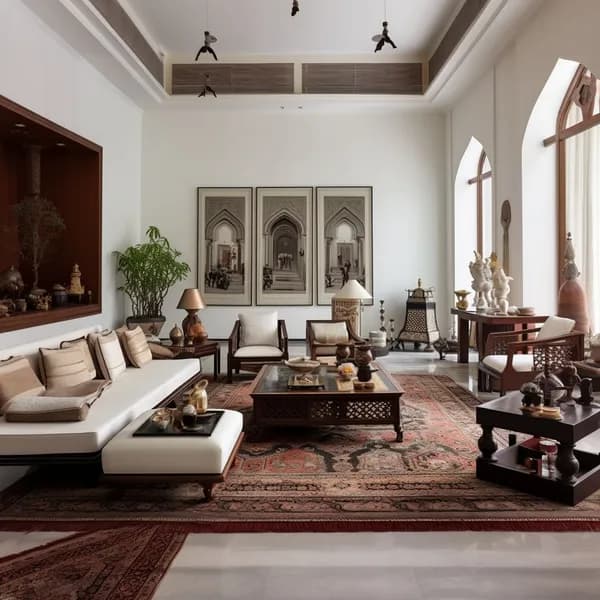
Luxury Interior Design: Four Principles to Follow for Timeless Interiors
Luxury interior design is not about excess or fleeting trends—it’s about creating spaces that feel refined, intentional, and relevant for decades. True luxury is calm, confident, and deeply rooted in quality.
The most successful luxury interiors share one thing in common: they are timeless. They don’t rely on what’s popular today; they rely on principles that have defined elegant spaces for generations.
Below are the four essential principles of luxury interior design that ensure a space remains sophisticated, functional, and enduring.

Principle 1: Proportion Is the Foundation of Luxury Interior Design
Luxury interior design begins with perfect proportion, not decoration.
A high-end interior feels effortless because everything is in balance—furniture scale, ceiling height, wall spacing, and circulation. When proportion is correct, even minimal spaces feel rich and intentional.
Key elements of proportion in luxury interiors:
- Furniture scaled to the architecture
- Balanced negative space (no overcrowding)
- Symmetry or intentional asymmetry
- Clear visual hierarchy
No amount of expensive decor can compensate for poor spatial planning. Proportion is what separates luxury interior design from ordinary interiors.
What defines luxury interior design?
Luxury interior design is defined by balanced proportions, high-quality materials, refined detailing, and spaces designed for comfort and longevity.

Principle 2: Material Quality Over Trend-Based Finishes
Timeless luxury interior design prioritizes material integrity over visual noise.
High-end interiors are built using materials that age gracefully rather than deteriorate or feel dated. This is why luxury homes consistently rely on natural, authentic finishes.
Materials commonly found in luxury interior design:
- Natural stone (marble, travertine, onyx)
- Solid wood and veneer craftsmanship
- Linen, wool, silk, leather
- Brass, bronze, and aged metal finishes
Luxury is felt through texture, weight, and craftsmanship—not surface-level shine.

Principle 3: Quiet Luxury Defines High-End Interior Design
Modern luxury interior design has shifted away from loud statements toward quiet luxury.
Quiet luxury focuses on subtle sophistication—spaces that feel exclusive without trying to impress. This approach is increasingly favored in high-end residential and hospitality interior design.
Characteristics of quiet luxury interiors:
- Muted, neutral color palettes
- Minimal but intentional detailing
- Custom furniture over mass-produced pieces
- Soft layering instead of bold contrast
Timeless luxury interiors don’t chase attention—they command it through restraint.

Principle 4: Function Is the True Marker of Luxury
A space cannot be luxurious if it doesn’t support daily life.
Luxury interior design always considers how the space is lived in, not just how it looks. Flow, comfort, and usability are essential to timeless design.
Functional elements of luxury interiors:
- Logical furniture layouts
- Seamless circulation paths
- Integrated storage solutions
- Layered lighting for different moods
True luxury is ease—spaces that feel intuitive, calm, and effortless.

Why Timeless Luxury Interior Design Outperforms Trend-Driven Spaces
Trend-based interiors:
- Date quickly
- Require frequent renovations
- Lose perceived value
Timeless luxury interior design:
- Increases property value
- Reduces long-term costs
- Creates emotional longevity
- Ages beautifully
This is why luxury villas, high-end apartments, boutique hotels, and premium commercial interiors always follow timeless principles rather than trends.
Luxury Interior Design FAQs
What is luxury interior design?
Luxury interior design focuses on quality materials, refined craftsmanship, thoughtful planning, and timeless aesthetics to create elegant and enduring spaces.
How can I make my home feel luxurious?
Focus on proportion, invest in fewer high-quality materials, use layered lighting, and avoid trend-heavy decor.
Is luxury interior design always expensive?
While initial investment may be higher, timeless luxury interiors save money long-term by reducing renovation and replacement costs.
Final Thought
Luxury interior design is not defined by trends, price tags, or excess—it’s defined by intention, restraint, and longevity.
Spaces built on timeless principles remain elegant long after trends fade.